

FICTION: “Citizenship” by Dana Baylous
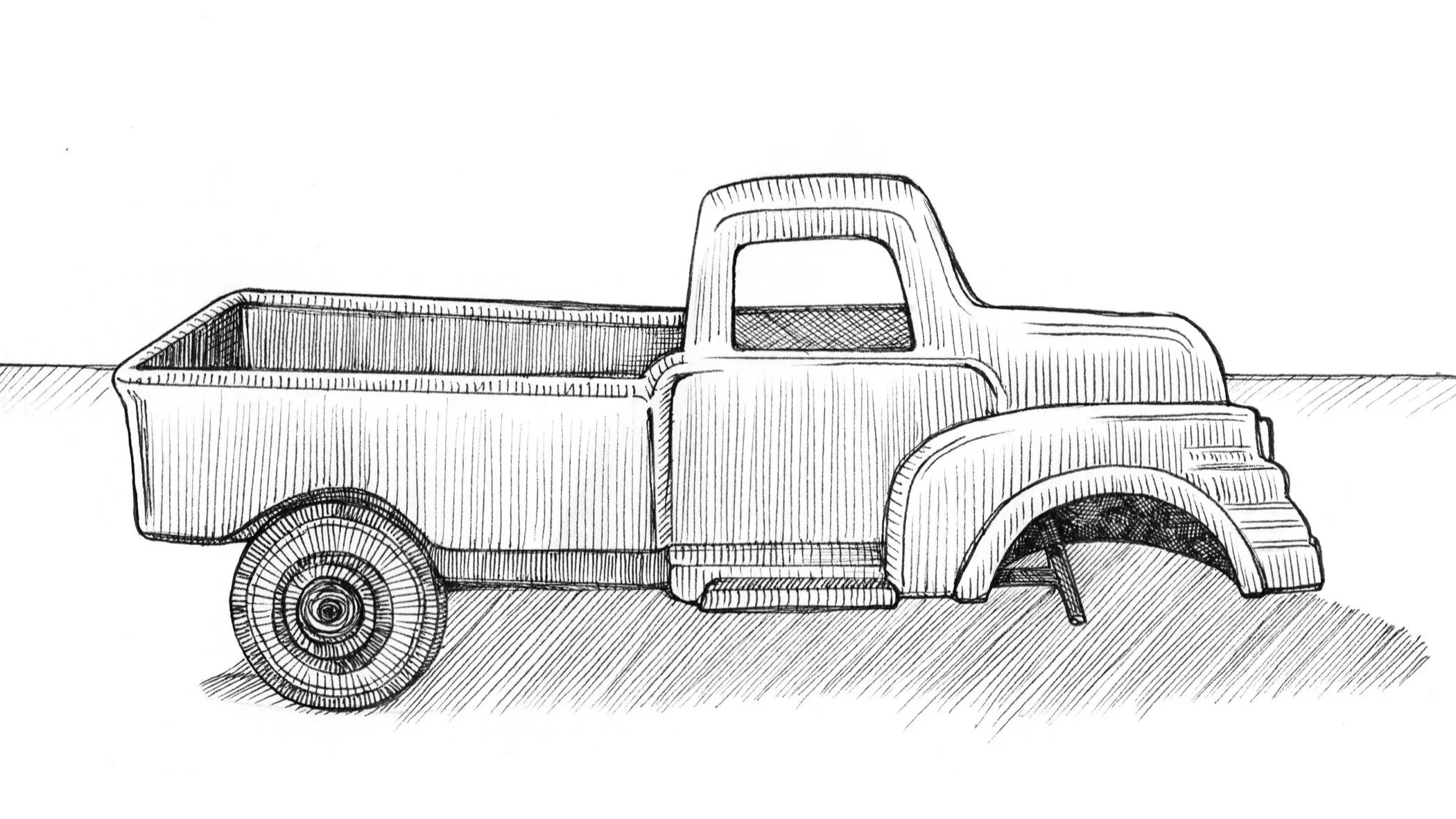
Illustration by Maura Walsh / Black Nail Studio.
FICTION
Citizenship
By Dana Baylous
They called it restitution, but it looked like every other deportation line I’d ever worked. Same cracked tiles, same folding chairs, same hum of machines louder than prayer. Only the faces had changed—pale, freckled, already pinking under the lights. Perfume like lilac and fear. Diamond crosses flashing at throats. Families clutching passports and monogrammed luggage like scripture, whispering, We belong here.
The scanners glowed blue against their cheeks. Heritage verification pending, the machine said in its calm, female voice. Behind me, the screen pulsed one word again and again: RELOCATION.
Before the shift, we’d been out in the field—Lakewood Estates, Oak Haven, all those manicured neighborhoods that used to be closed to us. The smell of fresh-cut grass and chlorine still hung in the air when the vans rolled through. Floodlights on every cul-de-sac, drones circling low, loudspeakers reading the new statute: Restitution Act, Section Nine. Doors opening slow as guilt—and the ones that didn’t open were kicked in. The sound of wood splintering carried for blocks.
We found them hiding in pantries, clutching family Bibles, dogs barking behind glass. One woman tried to pray the law away. Another offered her husband’s medals. The kids never screamed; they just stared, mouths trembling, like someone had stolen the script they’d always lived by. In a bedroom I found a wall of framed quotes about freedom, each one dusted neatly, nailed precisely at eye level. I stared at the biggest one—God Bless Our Home—until someone called my name.
When I was seven, they came for my great-grandmother, Virginia Belle Cartwright. Said her papers were incomplete, her name too long for the system to hold. There were pictures of her when she was young—cheeks high like mine, that same sly smile. But her hair was spun gold where mine is kinky and brown; her eyes, blue china where mine hold warm earth. She stroked my curls, called me sugar and acted like there was absolutely no difference between us. I still hear her shoes on the porch, the silence that followed.
Now my badge catches the light—bronze against blue—and I guide others toward buses idling outside gated communities. The engines rumble low, a growl under the night. Streetlamps flicker across frightened faces, and for a moment it looks like they’re the ghosts.
A man who could’ve been Virginia Belle’s son, flag-pin on his lapel, says his ancestors built this country.
“Oh yeah?” I say, unsmiling. “So did mine.”
The screen brightens, steady as breath.
A woman steps up next—thin as paper, wrists trembling beneath a sweet-tea-colored blouse. She could’ve been forty or sixty, that Southern age where time settles in the neck and calls it grace. “Please,” she says. “There’s been some mistake.”
There always is.
Her voice catches when she prays—low, certain, bargaining. I almost ask her maiden name. I don’t. The system doesn’t need names anymore. Just numbers, percentages, coordinates.
The scanner hums. Blue light washes her face. Behind her, a boy clutches a toy truck, blond hair glowing under fluorescents. For a second I see myself—history reversed.
Heritage verification complete.
RELOCATION.
“Where will they take us?” she asks.
I start to say home, but the word feels foreign. The system answers for me: Repatriation site, Twelfth District.
“This is our home,” she snaps. “I’d like to speak to your manager. Right now.” I almost smile.
Instead I point to my badge.
“I am the station manager, ma’am. Your Heritage assessment says you’ll be repatriated. Please step aside.”
She reads the warning in my face—the one that promises security if she doesn’t move. She nods and takes the boy’s hand, whispering home, home, home until it sounds like confession.
When they’re gone, the air shifts. Quieter, but heavier. I watch the door swing shut, my reflection caught in the steel frame—brown eyes, curly hair, the face of the future they never planned for. The scanners blink like tiny blue suns.
Someone coughs. Another family steps forward—men with golf tans, women smelling of sunscreen, powdery perfume mixed with anxiety. One woman still has sand in her shoes from the lake. It falls in small gray drifts on the floor.
I swipe my badge. Operator confirmed.
Next subject.
The boy’s toy truck sits on the counter, blue plastic, one wheel gone. I almost pocket it. No personal items, the manual warns.
I leave it.
The hum resumes, the machine breathing for all of us.
Then a red-faced man in line barks, “How come you get to stay? What makes you better than me?”
Even the machine stills, waiting.
I study him—pale lashes, sunburn, a smear of barbecue sauce at his cuff. “Because I’m Black,” I say, slow enough for everyone to hear. “My people were stolen and forced to build this place board by board. Yours came from England and decided they owned it.”
Officer Rivera snorts beside me, rolls her eyes. “The entitlement. We can’t afford to take care of everyone.”
Officer Blue Thunder nods once. “You’ll be fine. Try assimilating for once — isn’t that what your people told us?”
The scanner hums again. Heritage verification complete.
RELOCATION.
He starts to protest, but the system’s already decided.
I press the stamp.
Because the foundation still remembers every hand that bled for it—and which ones just moved in.
Dana Baylous is a Black LGBTQ+ writer from Houston whose work explores Southern identity, memory, and place. She writes literary, speculative, and Southern Gothic fiction, often set within her interconnected Texas Universe.
Like what you’re reading? Consider donating a few dollars to our writer’s fund and help us keep publishing every Monday.
